Artificial Intelligence (AI) today is a game changer in how we interact with technology. It's not just a futuristic concept anymore; it's woven into our daily lives. From voice assistants like Siri and Alexa to smart recommendations on Netflix or Spotify, AI is everywhere, making tasks easier and more efficient.
At its core, AI refers to machines and software that can mimic human behavior. This means they can learn from experience, adapt to new inputs, and carry out tasks that typically require human intelligence. We're talking about recognizing speech, understanding natural language, and even playing complex games like chess or Go at a high level.
One of the exciting things about AI is its ability to analyze massive amounts of data quickly. Businesses rely on AI to make sense of trends, enhance customer service, and improve decision-making. For instance, retailers use AI to personalize shopping experiences, suggesting products based on past purchases and browsing history.
However, it's also crucial to understand that AI isn’t perfect. It has limitations and can occasionally make mistakes. This is why ongoing research and development are vital. The goal is to create AI that not only assists us but also aligns ethically with our values and benefits society as a whole.
Key Milestones in AI History
Artificial Intelligence has come a long way, and understanding its key milestones can help us appreciate how it all started. The journey began in the 1950s, a time bursting with possibilities and excitement in the field of technology. In 1956, the Dartmouth Conference marked a significant turning point. It was during this event that the term "artificial intelligence" was coined, bringing together top minds to discuss the future of machines and thinking.
Fast forward to the 1960s, where we saw the birth of early AI programs, like ELIZA. Developed by Joseph Weizenbaum, ELIZA was a simple chatbot that could engage in text-based conversations. Although pretty basic by today’s standards, it opened the door to human-computer interaction in a way that felt almost magical at the time.
The 1980s saw a boom in AI research with the rise of expert systems. These programs were designed to mimic the decision-making abilities of a human expert in specific fields. They found applications in various industries, from medicine to finance, proving that machines could handle complex tasks.
Then came the 1990s and the groundbreaking victory of IBM’s Deep Blue over chess champion Garry Kasparov in 1997. This event showcased the potential of AI to outperform humans in strategic thinking games, bringing AI into the public eye in a way that sparked curiosity and concern.
In the 21st century, AI really started to take off with advancements in machine learning and neural networks. This paved the way for technologies we use today, like voice assistants and recommendation systems. Each milestone has built on the last, leading us to an era where AI is becoming a part of everyday life.
How AI Impacts Our Lives
Artificial intelligence (AI) is popping up everywhere in our daily lives, often in ways we might not even notice. From the moment you unlock your smartphone with your face to the suggestions you see when shopping online, AI is making things easier and more efficient. It learns from our preferences and habits, helping to personalize our experiences.
Take voice assistants like Siri or Google Assistant, for example. Just a quick "Hey, Siri" and you can set reminders, check the weather, or even control your smart home devices. These tools are designed to make life simpler, allowing us to multitask without breaking a sweat.
AI also plays a huge role in the way we consume media. Ever wondered how Netflix knows just what to recommend? That’s artificial intelligence at work, analyzing your viewing habits and suggesting shows you’ll likely love. It’s like having your own personal curator who gets you!
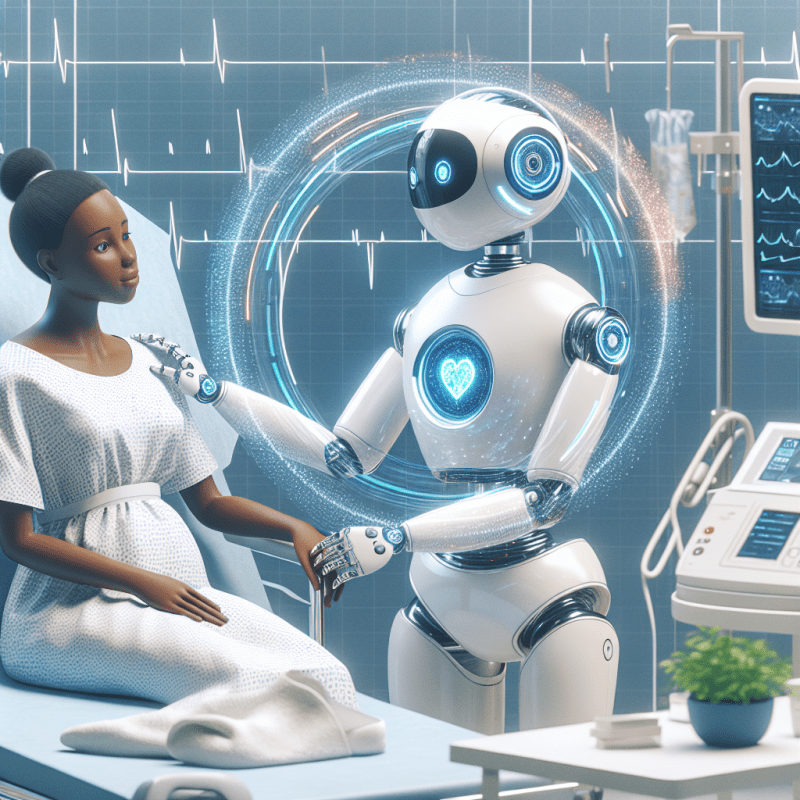
In healthcare, AI is revolutionizing patient care. From helping doctors diagnose diseases more accurately to predicting potential health risks, it’s making a big impact. This tech can sift through mountains of data quickly, giving healthcare professionals the insights they need to make informed decisions.
These are just a few examples of how AI is integrated into our routines. As technology advances, we can expect even more innovative ways AI will touch our lives, making tasks easier, saving us time, and ultimately enhancing our everyday experiences.
Future of Artificial Intelligence Trends
The future of artificial intelligence (AI) is shaping up to be both exciting and transformative. One major trend is the rise of AI in everyday applications. From personal assistants like Siri and Alexa to smart home devices, AI is becoming a trusted companion for many. Imagine coming home, and your lights automatically adjust to your favorite setting, or your coffee maker starts brewing just as you wake up. That’s the convenience AI brings to our lives!
Another trend we’re seeing is the growth of AI in healthcare. AI is making waves by helping doctors diagnose diseases more accurately and quickly. With machine learning algorithms analyzing medical data, we can expect better treatment plans tailored to individual patients. This means not only quicker responses but also potentially saving more lives.
Once you step into the realm of AI and creativity, things get even more fascinating. Artists, musicians, and writers are starting to use AI tools to spark inspiration or even co-create pieces. AI can generate music, art, and stories, pushing the boundaries of what we consider creative work. It’s not about replacing humans but helping them tap into new ideas they wouldn’t have thought of alone.
Lastly, let’s talk about ethics and regulation. As AI continues to grow, the conversation around its impact on privacy, bias, and job displacement is becoming more critical. It’s essential to create guidelines that ensure AI benefits everyone without compromising our values. Keeping this balance is key to harnessing the full potential of AI while protecting our society.