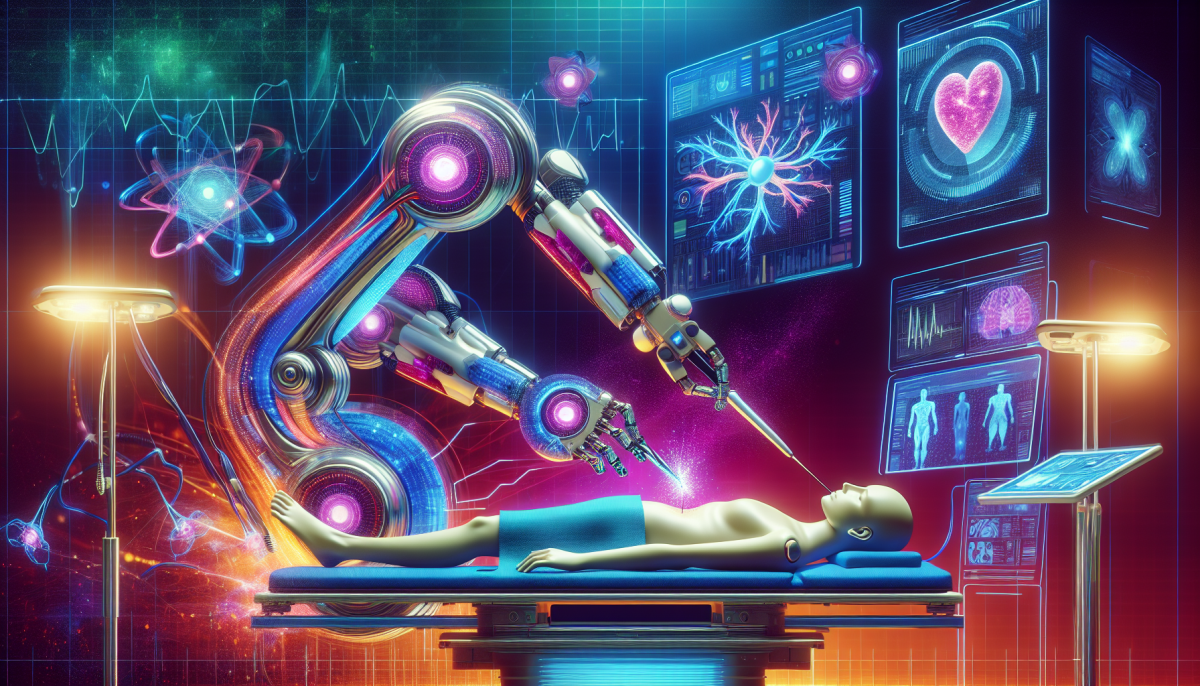
AI is shaking things up in healthcare, making life easier for both patients and healthcare providers. One of the biggest perks of using AI is how it helps with diagnosis. By analyzing medical data faster than any human could, AI can spot patterns in symptoms and past cases, which means quicker and often more accurate diagnoses. This not only helps doctors make better decisions but also speeds up the process of getting patients the care they need.
Another fantastic benefit of AI is its role in personalized medicine. By examining your health history, genetics, and lifestyle, AI can help create treatment plans that fit you like a glove. This tailored approach can lead to better outcomes and fewer side effects, which is a win-win for everyone involved. Imagine a treatment plan that truly works for your body — that’s the power of AI!
AI is also making everyday tasks easier for healthcare staff. From scheduling appointments to managing patient records, these smart systems can take on the load, giving nurses and doctors more time to focus on what really matters: patient care. With AI handling the routine calls, healthcare professionals can engage more meaningfully with their patients.
Last but not least, AI is stepping up in the realm of research and drug development. With its ability to analyze vast amounts of data quickly, AI can identify potential new treatments at lightning speed. This could lead to breakthroughs we’ve only dreamed of, meaning new medications and therapies that help patients recover and live healthier lives are on the horizon.
How AI Improves Patient Care Experiences
AI is making waves in healthcare, and one of the most exciting areas is how it enhances patient care experiences. Imagine walking into a doctor's office where the system already knows your history and preferences. That’s thanks to AI, which can analyze patient data quickly and efficiently, allowing healthcare professionals to provide personalized treatment right from the start.
One of the biggest benefits of AI is its ability to predict health issues before they become serious. By sifting through mountains of data, AI can identify patterns and alert doctors to potential risks. This means you get proactive care rather than just reactive treatments. It's like having a personal health monitor that’s always on the lookout for you!
On top of that, AI helps streamline the whole administrative side of things. Picture this: fewer waiting times and faster responses to your queries. With AI tools handling appointment scheduling and patient follow-ups, staff can focus more on what they do best—caring for patients. This also means your visits are more efficient, leaving you with more time to actually spend with your doctor.
And let’s not forget about telemedicine! AI-powered platforms can enhance these virtual visits by providing instant access to your health records and even suggesting follow-up treatments based on what your doctor sees during the consultation. This way, you get quality care from the comfort of your own home, making healthcare more accessible than ever.
Challenges of Using AI in Healthcare
Using AI in healthcare is a game changer, but it certainly comes with its own set of challenges. One major hurdle is data privacy. With so much sensitive information involved, keeping patient data safe is a top priority. Hospitals and clinics need to ensure that AI systems comply with regulations like HIPAA, which can slow down the adoption of these technologies.
Another challenge is the need for high-quality data. AI systems learn from the data they're fed, and if that data is incomplete or biased, it can lead to inaccurate predictions or diagnoses. Establishing standards for data collection and usage is crucial, but it takes time and effort to get everyone on the same page.
Furthermore, integrating AI into existing workflows can be a tough nut to crack. Healthcare professionals are often busy, and introducing new technology can be overwhelming. It's essential to provide training and support to help them understand and effectively use AI tools without disrupting their daily routines.
Lastly, there's the issue of trust. Many patients and healthcare workers may be skeptical about AI making decisions that impact their care. Building trust takes time, and it’s important to show tangible benefits of AI solutions through successful implementations. By tackling these challenges, the healthcare industry can move closer to fully embracing the potential of AI technology.
Future Trends in Healthcare AI Technology
Healthcare is continually evolving, and AI technology is at the forefront of this transformation. One exciting trend is the growing use of AI-driven diagnostics. These tools analyze medical data with amazing speed and accuracy, helping doctors identify diseases earlier than ever. Imagine having a system that can spot patterns in scans and lab results that the human eye might miss!
Another trend on the rise is personalized medicine powered by AI. Instead of a one-size-fits-all approach, AI can analyze individual patient data to tailor treatments. This means that whether it's medication or therapy, patients receive options that are just right for them based on their unique health profiles. It's like having a personal health coach that understands exactly how to help.
AI chatbots are also becoming more common in healthcare. These digital assistants can answer patient questions, schedule appointments, and even provide health tips whenever needed. They make healthcare more accessible, especially for people who might not feel comfortable reaching out to their doctor immediately. Having a friendly source of information at your fingertips can be incredibly reassuring!
Lastly, let’s not overlook how AI is improving administrative tasks in healthcare. By automating repetitive tasks like billing and paperwork, healthcare professionals can spend more time focusing on patient care. This not only boosts efficiency but also helps reduce burnout among staff. Happy staff equals better care for everyone!